
Mental Health Worker Program
Make a Difference in People's Lives
Students will be trained in the Psychosocial Rehabilitation and Recovery model of mental illness. Students will examine and explore what recovery means, how to create a recovery culture, how to make people with severe and persistent mental illness the focus of recovery, confidentiality issues, and the role of culture and/or ethnicity in the recovery model. Further students will examine the four components of Psychosocial Rehabilitation: hope, empowerment, self-responsibility and establishing a meaningful role in life.
Programs Offered
Cerritos College currently offers three pathways to an education in Psychology:
- Certificate Program & AA Degree (complete in three semesters!)
- Associates in Arts Degree (Mental Health Worker Program)
- General Education Transfer Courses (declared Psychology majors)
Why Study Mental Health Worker Program at Cerritos College
- Comprehensive and Intensive Program: Students will learn the basics of Psychology, the foundations of Mental Illness (Abnormal
Psychology), the concept of rehabilitation and recovery, how to help the mentally
ill, and how to create a cooperative relationship with mentally ill individuals.
- Real-Life Experience: Students will be given the opportunity to practice the knowledge and skills that they have gained from classroom instruction, in a community mental health environment as a part of our Field Experience class. Check out the list of our partners!
Mental Health Worker Avg Salary
$38,089-$60,727
An alum's experience in the Mental Health Worker Program:
A student's experience in the Mental Health Worker Program:
Alumni Testimonials

"Before doing the program, I did not have any experience in social services in mental health. After the program, I gained confidence and it sparked that piece of me that just knew that this type of work was what I wanted to do. "
Melanie M.
Part Time Faculty, Cerritos College Mental Health Worker Program

"The program helped me see mental health as something that we should all prioritize. I thought it was just for a certain sector of the population, but after the program, I learned that it applies to everyone. And to always keep in mind to treat clients as people first."
Rudy M.
Ph.D. Candidate, University of California, Irvine

"I learned a lot in the program that I now use in my job, such as listening for unmet needs, harm reduction, celebrating client’s small baby steps, not being afraid when you are in the nitty gritty, and how to interact with different people."
Patricia S.
Los Angeles County Social Worker

"One of the most useful things I learned in the program was hope – knowing they can recover and having hope for individuals who are hopeless because they are struggling. When you have hope, it increases their hope. I also learned to meeting clients where they are at. Regardless of what goal you have set out for them, things will change and you learn to respect going at their pace."
Tony S.
Mental Health Specialist

"The Mental Health Worker Program was awesome! The professors were incredible and they shared so many life experiences, and I learned so many skills– motivational interviewing, ways to interact with different populations depending on their background , and so many things that I use in the field. Most importantly, I learned how to connect with the individuals that I work with – we are both humans, and we are all just trying to form a connection. "
Muriel
Licensed Marriage and Family Therapist

"I learned to be person centered and the importance of being able to develop a relationship with the client. The recovery model was helpful and knowing that the clients are always people first, rather than the disability they are dealing with."
Ivan G.
Director, Career Services

"Two highlights from the program was learning empathy and active listening; I distinctly remember having a lot of different role plays and scenarios and a lot of conversations that helped me grow in skills that I now use in the workforce. "
Victoria C.
Marriage and Family Therapist

"The program helped me change my career path. It gave me a diverse experience with clients and that has translated into my current position, where I am working with a lot of Native American populations, and low-income communities. I am constantly referencing what I learned from the psychosocial rehabilitation and recovery model, so I am the voice of the recovery model where I work."
Janet B.
Licensed Clinical Social Worker
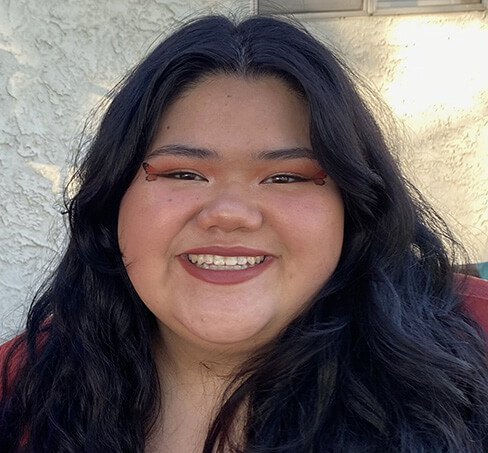
"I learned so much in the program, such as active listening, learning to step away (boundaries), knowing your own boundaries, and using a person-centered approach."
Aurora B.
Wellness Coach Student Ambassador, Cerritos College
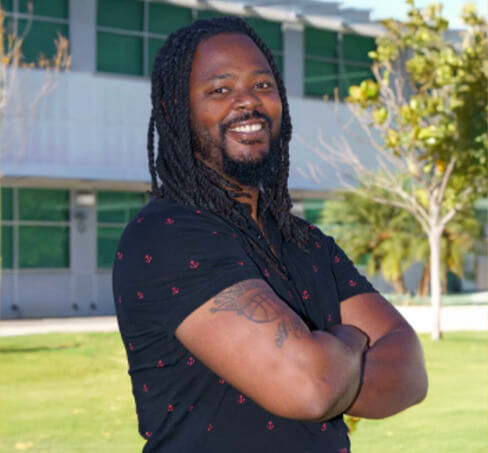
"I was hired as a case manager with a behavioral health agency right after the program. In the program, I learned to meeting clients where they are at, and I started to learn how to build rapport and how to listen and talk to people effectively."
Lamont P.
Marriage and Family Therapy Candidate
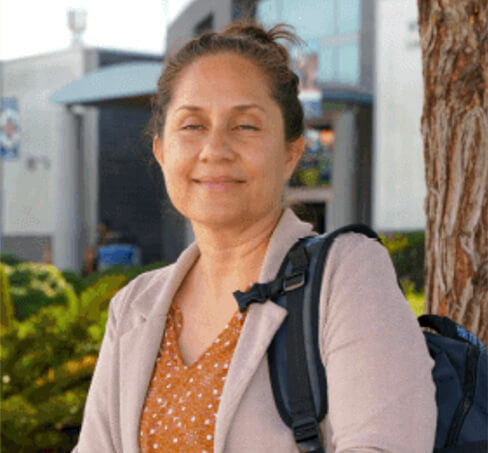
"As someone with lived experience, I understand the challenges that come with mental illness. This program met the needs of my heart, and because they were able to meet those needs, I was able to press forward in receiving my mental health worker degree and certificate"
Elsia F.
"In the program, my internship served me well. It helped prepare me for my current position. I got really hands on experience, right from the beginning."
Mauricio V.
Behavioral Health Case Manager
Get started today!
This program will help to increase your immediate employability and give you a choice of getting a job or transferring as a Psychology Major, or possibly BOTH!!

Stay Connected