Beyond Land Acknowledgments
 What is Decolonizing Work Without a Conscious Connection to the Land?
By Joy Tsuhako, Ed.D
When institutions of education such as Cerritos College proclaim a land acknowledgement, we speak of the indigenous peoples who cared for the land for millennia before the institution existed. In the case of Cerritos College, it is the Tongva/Gabrieleño and Acjachemen people who are recognized to have inhabited and stewarded the land in our Southern California region for at least 10,000 years. What is often left unsaid is that this period preceded the arrival of invaders that decimated the ecosystem with invasive grazing cattle, obliterated the human population with disease and violence, and recreated the landscape and social systems to serve the interests of profit and power for a few. Today, there is a push for academia to “decolonize”, yet we are quick to move away from the tangible realities of the land to more abstract applications of “decolonization” such as syllabi construction that represents a diversity of voices, classroom practices that encourage a structural awareness of historical inequities, challenging traditional relationship dynamics amongst pupils and faculty, and general examinations of hierarchy and power in pedagogical approaches. While these are no doubt well-intentioned and important aspects of decolonization work, I wonder, what is decolonization work that doesn’t prioritize a conscious connection to the physical, living land upon which we stand? Not just in a passing statement, but in a visceral and tangible way that requires us to look up from our screens and textbooks to the living world around us and to be in relationship with one another in ways largely unprecedented in our society.
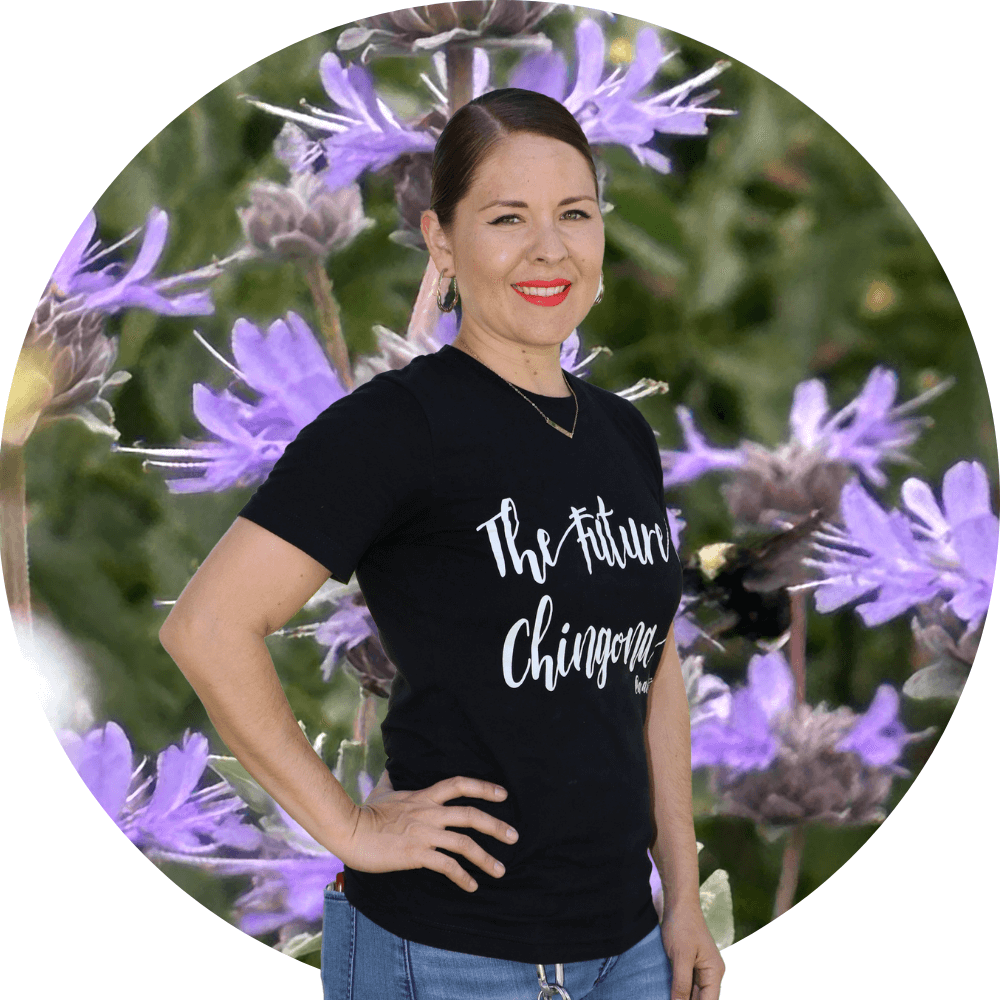
Decolonization work requires us to move beyond a statement of recognition of the historical caretakers of the land, who were displaced and nearly eradicated in the interests of western expansion and greed, toward an accountability to and responsibility for the land we occupy and to those who continue to steward the land with cultural wisdom from time immemorial. This requires an active assessment of our present-day relationship to that land and the indigenous stewards of it. What do the bees, trees, and flowers tell us? How can we better listen to the indigenous people who are sharing their stewardship wisdom? What can be said of the air, the water, the soil under our feet, or perhaps the lack thereof? Is our relationship with these natural elements as toxic as the colonial treatment of indigenous communities? What does the concrete, asphalt, and plastic turf masquerading as verdant life tell us about the state of the land and our relationship to it? How are we taking responsibility for healing relationships with the original caretakers of the land? What do rising oceans, record-breaking droughts, historic flooding, mass species extinction, and a warming planet tell us about the impact of a few hundred years of capitalist human activity? What are indigenous people asking us to do about it? These environmental conditions come at the heels of the near eradication of native peoples who coexisted in relative harmony and balance with their local ecosystems for at least ten times as long as our present day society has, since European invaders first landed on the shores of what we today call California. We must first recognize this true history before earnestly taking on the responsibility for our collective futures.

Stay Connected