
After Image: the photographic process(ed)
Exhibition Dates: Nov 5th, 2012 - Dec 13th, 2012
Opening Reception: Mon, Nov 5th, 2012, 4-8PM
“They flicker across our eyes and jitter through our minds at incredible speeds. We spend more time collecting and sorting images, but less time looking at any one of them. One can never step into the same data-stream twice.” 1
“Photography has no governing characteristics at all save adaptability.” 2
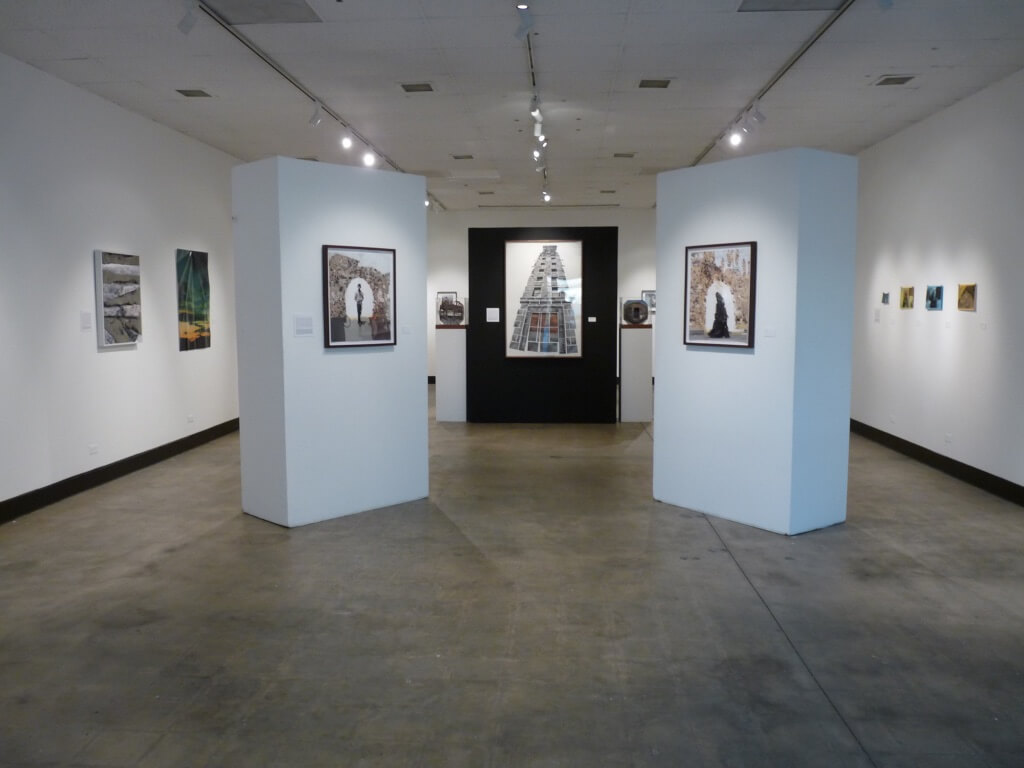
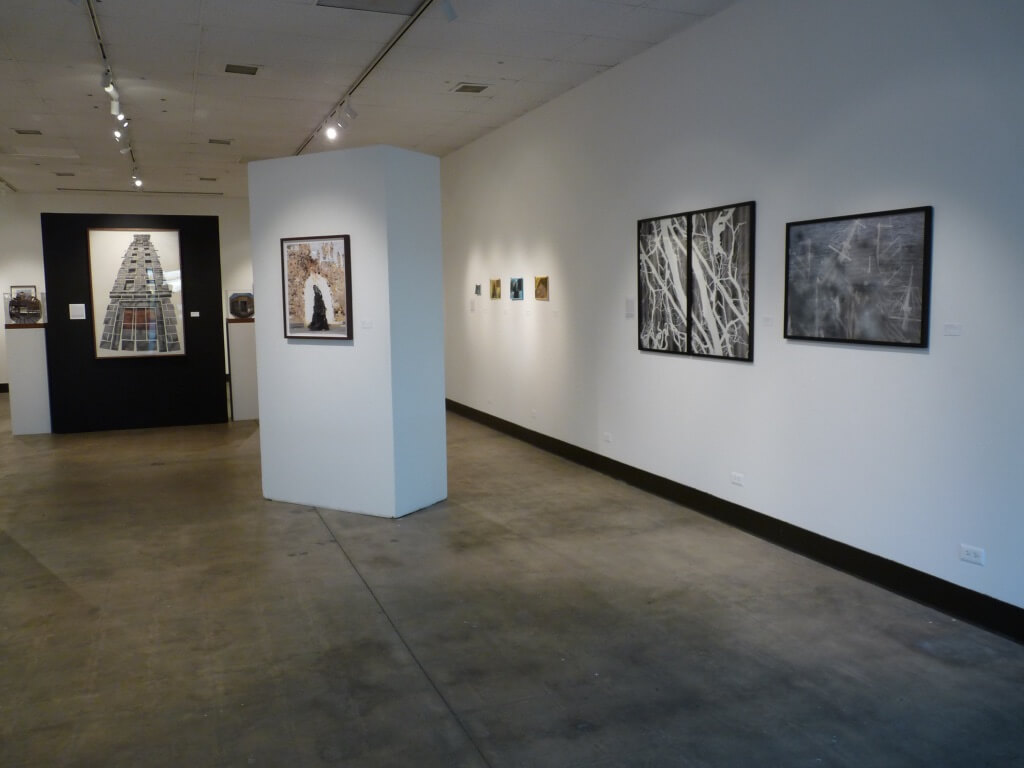
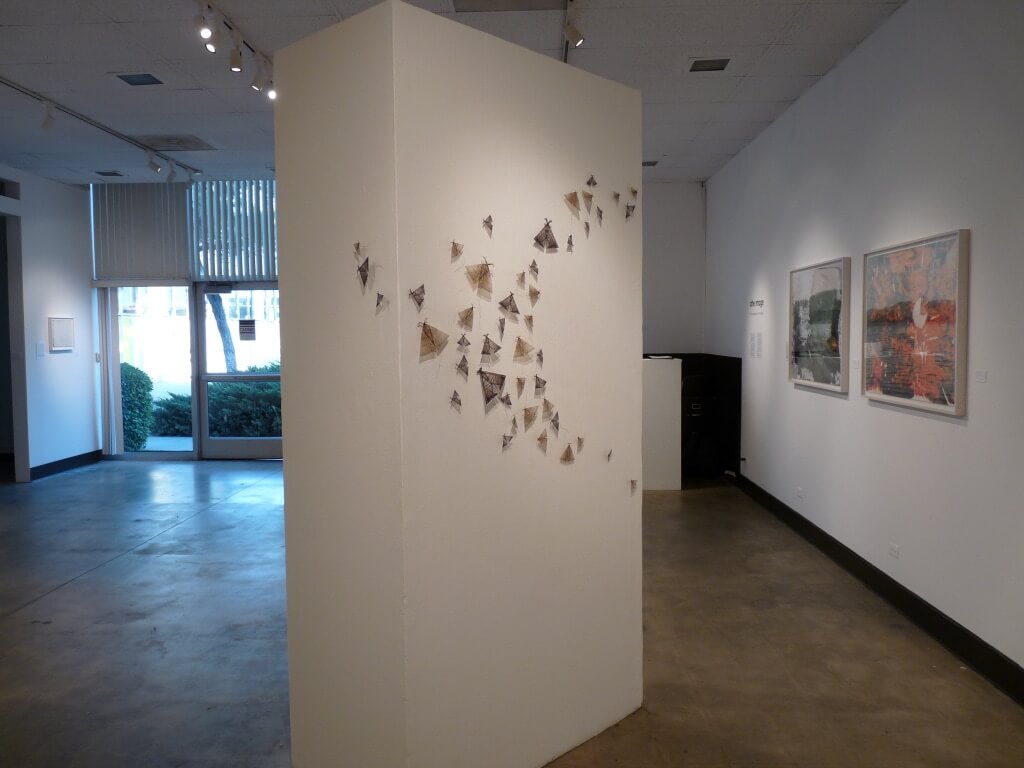
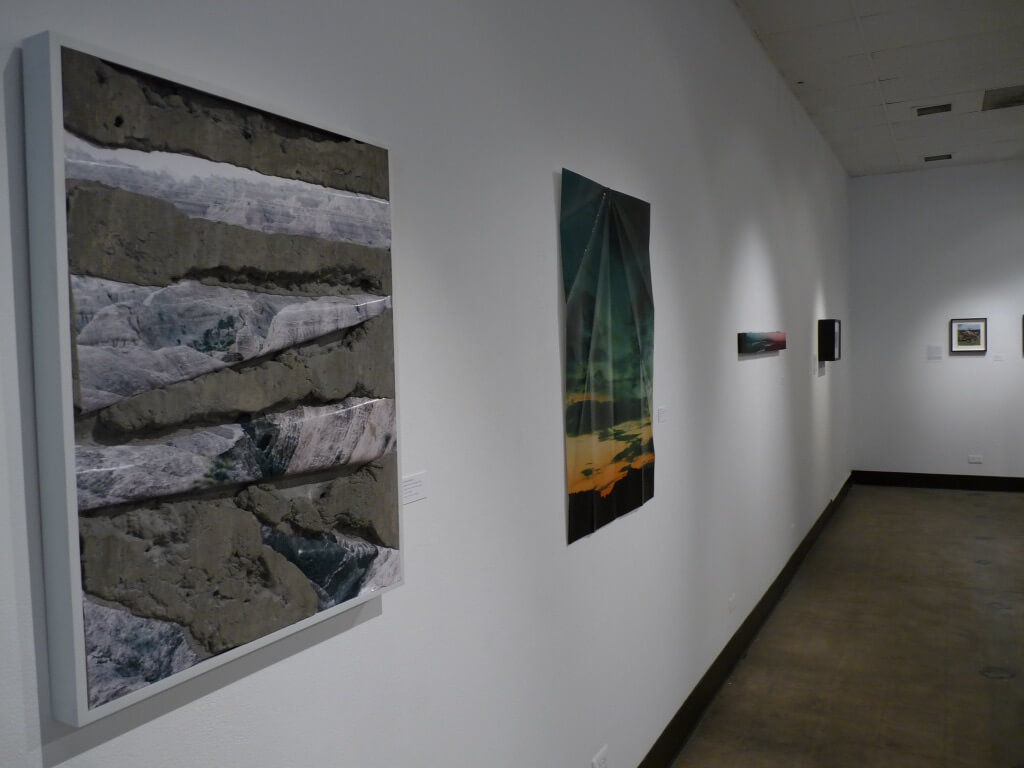
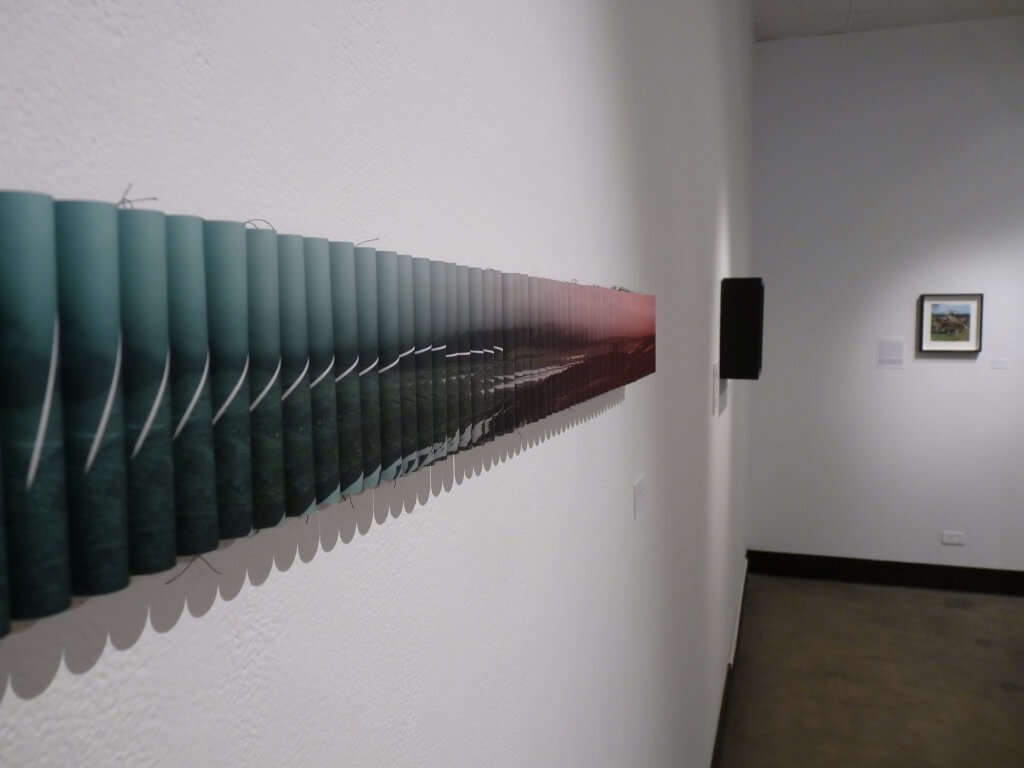
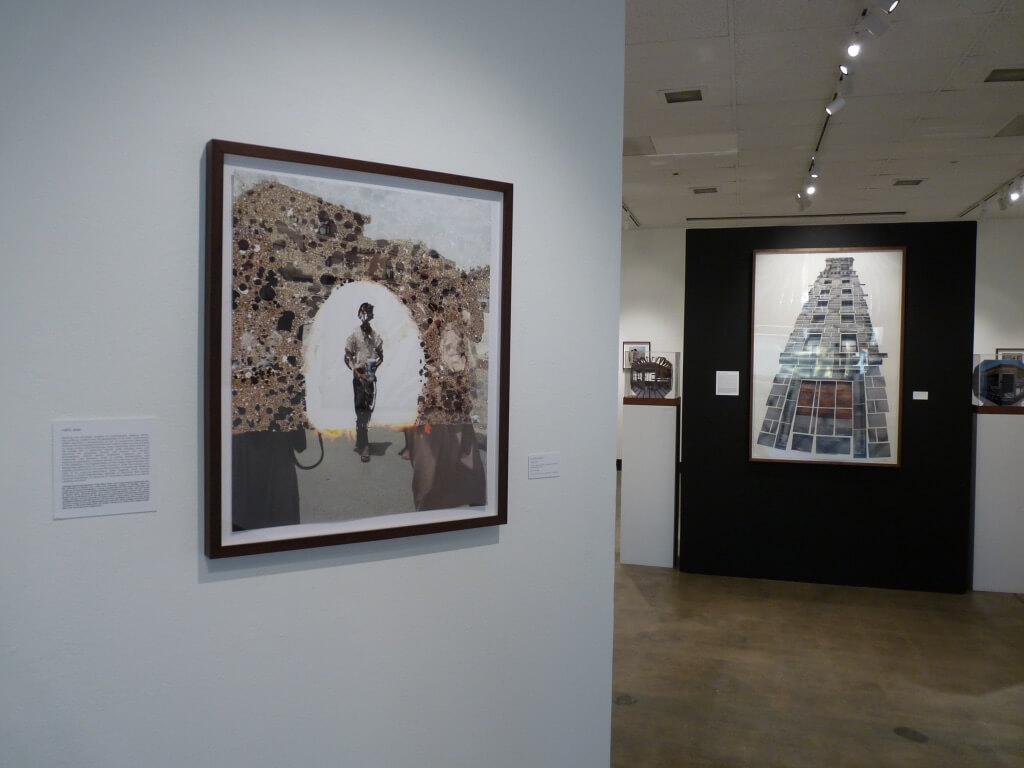
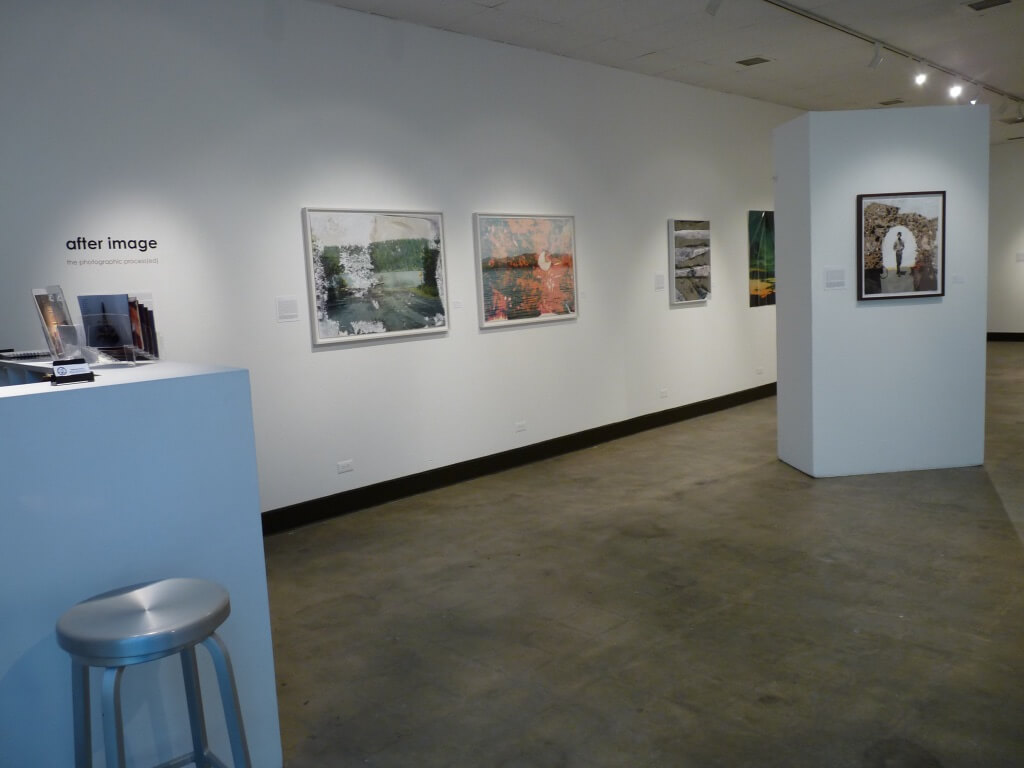
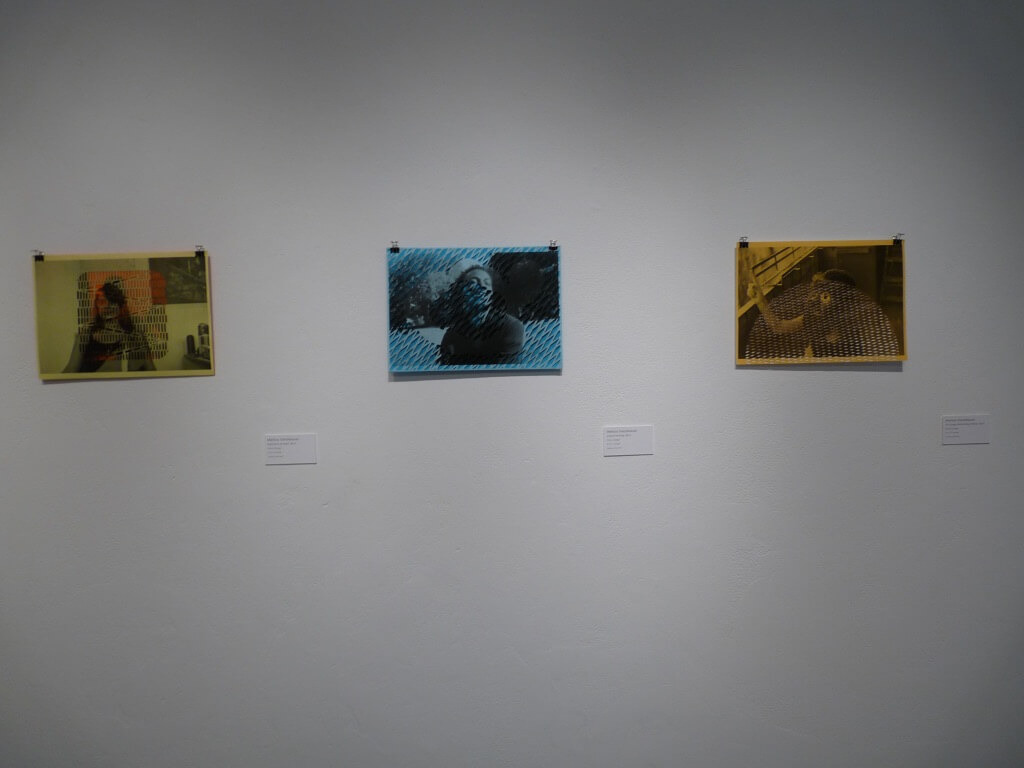
The Cerritos College Art Gallery is pleased to present after image: the photographic process(ed), a group exhibition featuring thirteen local, national, and international contemporary artists working to surface the physicality of the photographic process and, by extension, the embodied nature of image viewership. Through the manipulation of photographic prints (using various non-traditional strategies, such as bleaching, cutting, folding, poking, pouring, scratching, sewing, and soaking), the exhibiting artists work to counteract naïve assumptions regarding the inherent ephemerality of technologically-based representation; erasing the over-determined idealization of the theorized image in favor of the endlessly contextual materiality of the photographic object.
It may be the case, as David Levi Strauss and countless others have asserted, that we’ve become superficially distracted by an exponential increase in photographic prod/usage within globalized information networks, thanks to the near-ubiquity of digital devices and always-on communication systems. However the works in after image, as exemplary symbols of a newly developing slow media movement, purposefully work against that trend. From the standpoint of perceptual phenomenology, an after-image is experienced as an image that continues to appear in one’s vision after the original exposure has ceased. Metaphorically speaking, therefore, we might say that as image consumption accelerates, the duration of its corresponding after-image shrinks accordingly. What, then, is required to make an image linger? What does it take, these days, to jolt us back into a state of conscious looking? Images of sexual titillation and shocking violence are easily seen … and just as easily forgotten. Meaningful signification has been subsumed by formal repetition and the after-image effect, it seems, is decreasingly the result of an affective reaction to mere representation, however abject and/or desirous that content might be for the viewer.
As Elizabeth Edwards and Janice Hart have argued, “in shifting the methodological focus away from content alone, it can be seen that it is not merely the image qua image that is the site of meaning, but that its material and presentational forms, and the uses to which they are put, are central to the function of a photograph as a socially salient object.” 3 Likewise, by stripping the photographic image of its role as invisible servant of eidetic memory, forever pointing to something other than itself, the artists in after image highlight the inherently flexible materiality of the photographic medium. For example, Matthew Brandt’s Lakes and Reservoirs series, pieces of which are included in the exhibition, seeks to blur the tradition of an overly dichotomous line between the photograph and the photographed by soaking the prints in fluids collected from the very bodies of water they represent, a process that dramatically impacts the material layers of color that make up each individual C-print as the differential chemistries of the lake water interacts with the photographic materials in slightly different, often unexpected, ways.
As overtly processed objects of post-production, these pieces, and many of the others in the exhibition, ultimately signify their own paradoxical state of be(com)ing, thereby refusing to play into Michael Fried’s overly-simplistic binary between absorption and theatricality. In performing themselves as self-referential objects of aestheticized praxis, all the works in after image don’t just require one to look, but to look again and again. As such, the typically glacial pace of their construction and the slow viewership required to experience them endlessly mirror one another. Scott Hazard’s Photo Constructs series, for example, also on display in the exhibition, extracts nominally inconsequential elements from the urban landscapes by establishing absent presences around and through them, building portal-like holes distilled from the accumulated rough radiating edges of layered photographic prints. By uniting the Barthesian studium and punctum, these ripped portals temporarily alter the viewer’s existing frame of reference for the photographic representation, providing an opportunity for a different presence of mind; not just an altered image, but a correspondingly altered consciousness.
Even if Richard Bolton is right and photographic processes are so fundamentally diverse that their only consistent characteristic is their innate adaptability, the question still remains as to whether or not viewers actually have the ability to adapt to them. In collapsing image and after-image, the pieces included in this exhibition move in the direction of answering that question, by demonstrating that, in the end, there really is no ‘after’ the image. Images are never finished, primarily because they are never whole or complete to begin with, but also because any image’s existence is always already predicated on the gaze that interacts with it. Photographs are adaptable because so are we.
Footnotes
1. David Levi Strauss, “Click here to disappear: Some thoughts on Images and Democracy,” Aperture, 190 (Spring 2008), p. 20.
2. Richard Bolton, “Introduction,” in The Contest of Meaning: Critical Histories of Photography, edited by Richard Bolton (Cambridge MA: MIT Press, 1992), p. xi.
3. Elizabeth Edwards and Janice Hart, “Introduction: Photographs as Objects,” in Photographs Objects Histories: On the Materiality of Images, edited by Elizabeth Edwards and Janice Hart (London: Routledge, 2004), p. 2.
Artist Talks/Conversations
Cut & Kill w/ Soo Kim & William E. Jones
November 26th, 2012 @ 4-5PM
Scratch & Soak w/ Christopher Russell & Matthew Brandt
December 3rd, 2012 @ 4-5PM
Artists Exhibiting: Matthew Brandt, Scott Hazard, Gregory Michael Hernandez, William E. Jones, Soo Kim, Aspen Mays, Curtis Mann, Abigail Reynolds, Christopher Russell, Gwen Samuels, Melissa Steckbauer, Lucas Simões, Letha Wilson