Student Resources
Equity Resources & Opportunities
Quick Links:
- Basic Needs Services (Food, Housing, Mental Health)
- CalWORKs
- Continuing Education
- Dual Enrollment
- EOPS
- Financial Aid
- Justice Scholars
- LGBTQ
- Learning & Career Pathways (LCPs)
- MESA
- NextUp/LINC (Foster Youth Programs)
- Puente
- Student Accessibility Services (SAS)
- Tutoring & Academic Support
- Transfer Support
- Umoja
- Undocu
- Veterans Resource Center (VRC)
Interactive Tools:
- Degree Planner
- Schedule Builder
- Ready Connect App
Student Stories
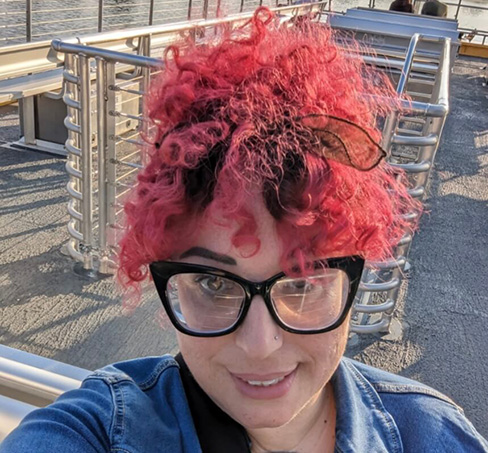
"Before doing the program, I did not have any experience in social services in mental health. After the program, I gained confidence and it sparked that piece of me that just knew that this type of work was what I wanted to do."
Melanie M.
Part Time Faculty, Cerritos College Mental Health Worker Program
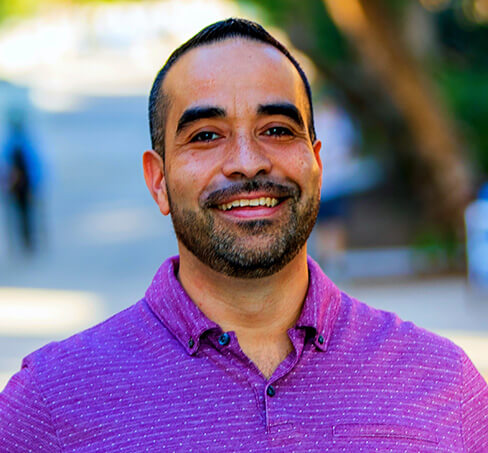
"The program helped me see mental health as something that we should all prioritize. I thought it was just for a certain sector of the population, but after the program, I learned that it applies to everyone. And to always keep in mind to treat clients as people first."
Rudy M.
Ph.D. Candidate, University of California, Irvine
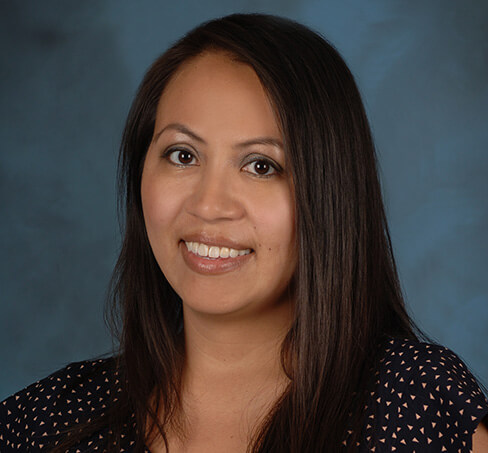
"I learned a lot in the program that I now use in my job, such as listening for unmet needs, harm reduction, celebrating client’s small baby steps, not being afraid when you are in the nitty gritty, and how to interact with different people."
Patricia S.
Los Angeles County Social Worker
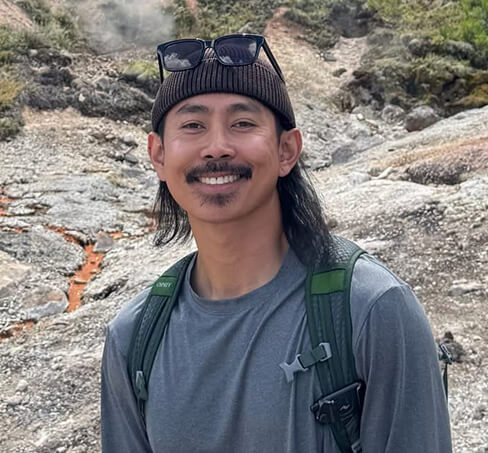
"One of the most useful things I learned in the program was hope – knowing they can recover and having hope for individuals who are hopeless because they are struggling. When you have hope, it increases their hope. I also learned to meeting clients where they are at. Regardless of what goal you have set out for them, things will change and you learn to respect going at their pace."
Tony S.
Mental Health Specialist
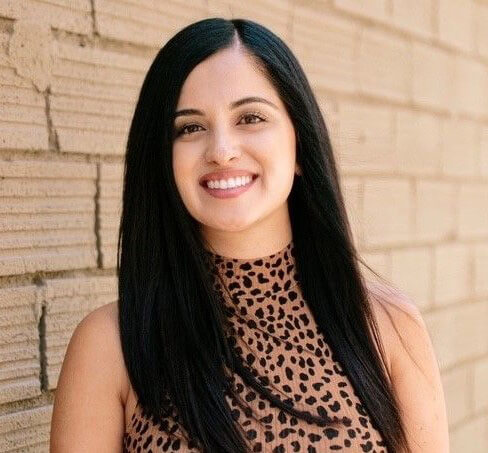
"The Mental Health Worker Program was awesome! The professors were incredible and they shared so many life experiences, and I learned so many skills– motivational interviewing, ways to interact with different populations depending on their background , and so many things that I use in the field. Most importantly, I learned how to connect with the individuals that I work with – we are both humans, and we are all just trying to form a connection."
Muriel
Licensed Marriage and Family Therapist
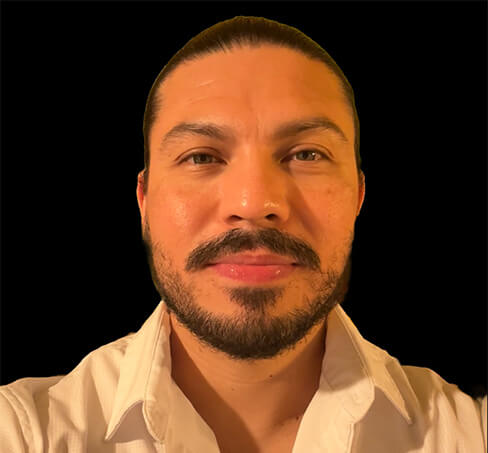
"I learned to be person centered and the importance of being able to develop a relationship with the client. The recovery model was helpful and knowing that the clients are always people first, rather than the disability they are dealing with."
Ivan G.
Director, Career Services
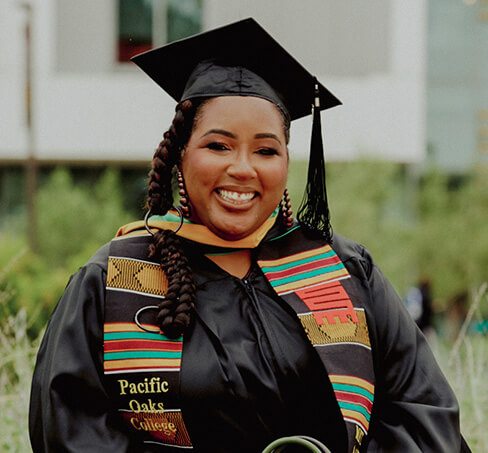
"Two highlights from the program was learning empathy and active listening; I distinctly remember having a lot of different role plays and scenarios and a lot of conversations that helped me grow in skills that I now use in the workforce."
Victoria C.
Marriage and Family Therapist
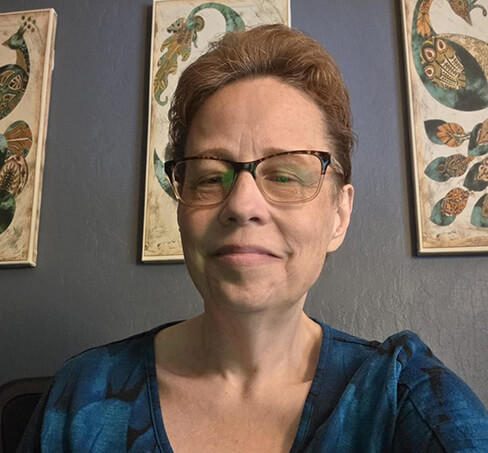
"The program helped me change my career path. It gave me a diverse experience with clients and that has translated into my current position, where I am working with a lot of Native American populations, and low-income communities. I am constantly referencing what I learned from the psychosocial rehabilitation and recovery model, so I am the voice of the recovery model where I work."
Janet B.
Licensed Clinical Social Worker